Dalyan Delta
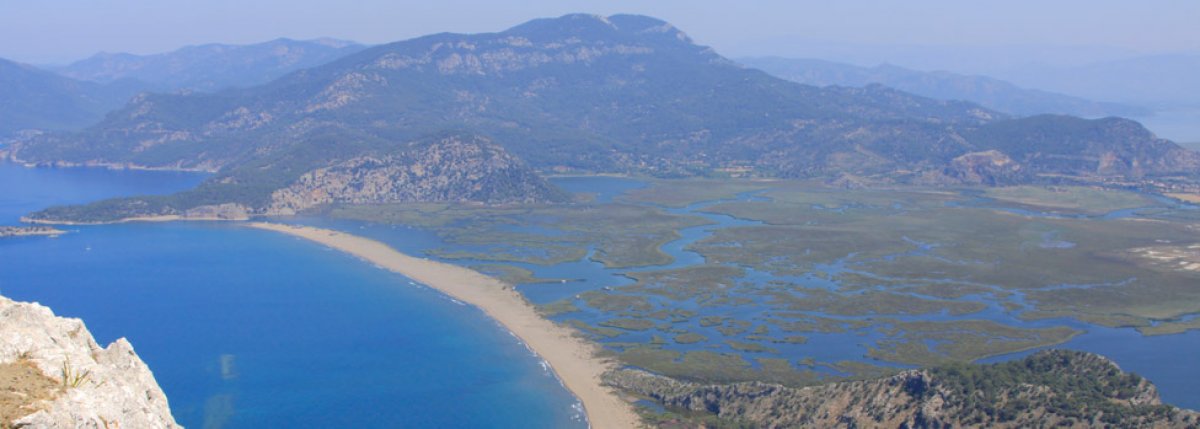
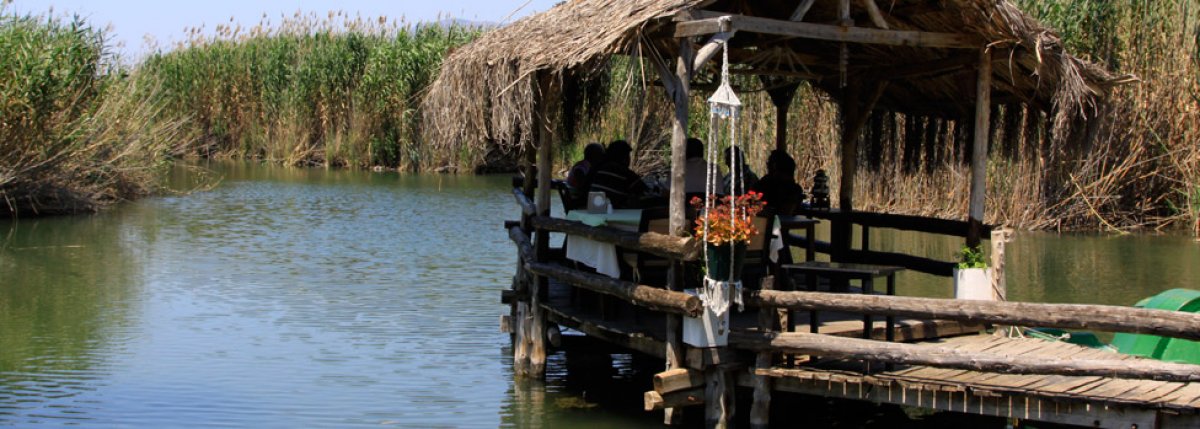
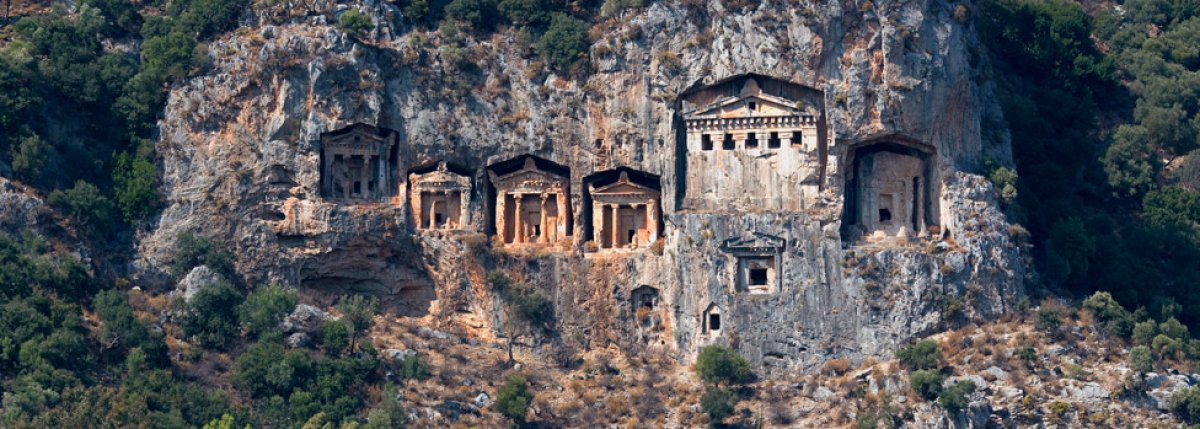
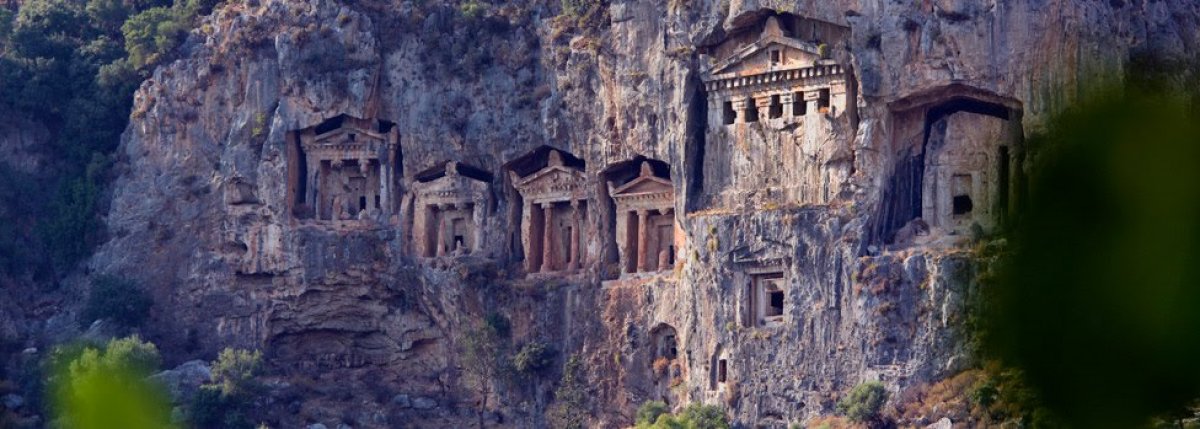
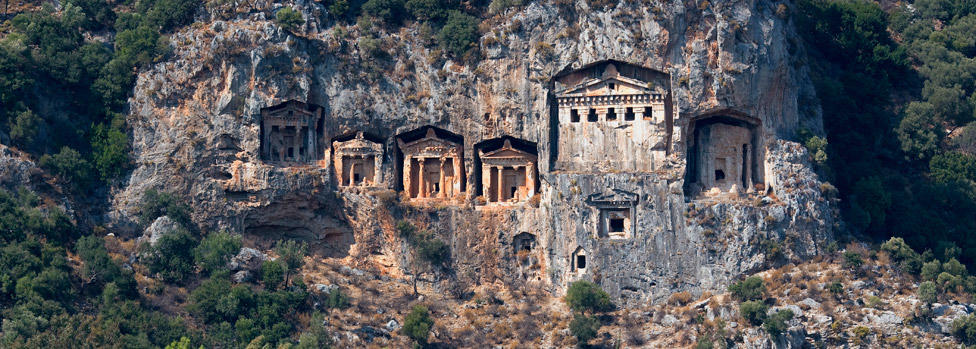
The Dalyan Delta is one of Turkeys most wondrous natural phenomena. At the head of the delta lies Lake Koycegiz, a large mystical lake that many years ago formed a natural harbour. Over time, silting has created a warren of reed covered streams that meander through the town of Dalyan, past the Carian cliff tombs and ruins of Kaunos and on to the fabulous golden sands of Iztuzu beach.
The region has been a designated wildlife sanctuary since the mid-1980s resulting in the delta being home to all manner of flora and fauna. The conservationists’ main efforts have been focussed on Iztuzu beach, which remains one of the last remaining natural nesting sites for Loggerhead sea turtles. Their success in keeping the developers at bay has ensured that the turtles have the beach to themselves at night, with the lights of Dalyan town a long way distant.
The entire region is a paradise for walkers, with endless treks winding along the riverbanks and through the reed beds. Wonderful treks can be taken, with trails leading directly from the house through the delta and into the surrounding mountains.
Another fantastic way to discover the region is by boat. River boats are readily available from the town and provide the opportunity to head upstream to Lake Köycegiz, choosing to stop perhaps at Sultaniye Thermal Baths or the simple mud baths – the latter admittedly touristy, but fun nonetheless.
From here the boat returns past Dalyan and on past theamazing examples of Carian cliff tombs which lie just around the headland from the fascinating ancient Carian city of Kaunos that was founded around 9th century BC. When here, we recommend you climb to the top of the acropolis – the view is well worth the effort.
Beaches & ‘off-the-beaten-track’
For beach-lovers the glorious six kilometres of sands of Iztuzu beach are a fifteen-minute drive away from Beyaz Galeri Ev. Iztuzu is rarely, if ever, crowded, however if you really want to escape to another world entirely - a left-hand turn on the way to Iztuzu takes you up into the mountains along off-road tracks. These tracks pass through verdant forests interspersed with mountain villages and leading on to beaches as isolated and picturesque as you could hope to discover - such as Asi & Bakardi Bays (see below).
In these villages you will find the occasional simple restaurant such as ‘Sunset Special House’ which is no more than a local house with a terrace providing stunning views across the peninsula. Simple thoughthis might appear the menu is like none other you are likely to encounter during your stay – Turkish home cooking with specialities of the house including wonderful mezze, Wild Boar, Spit-roast Lamb and a secret recipe for köfte (meat-balls). Needless to say all is local produce including the Wild Boar!
Dalyan Town & Dining
Dalyan town is a forty-minute walk or five-minute drive from our property in the region - Beyaz Galeri Ev. The town is located on the banks of the river, with a wide selection of restaurants and bars, many of them on the waterfront and many excellent. The shopping in this market town is also varied and interesting.
There’s a good choice of restaurants in Dalyan – from simple Turkish cafes to sophisticated fish restaurants. Take a wander through town, and meander down to the riverside and you’re sure to find something that suits. Dalyan is so small that you can stroll around it easily, taking yourtime to choose as the waiters try to tempt you as you pass by – you may even be invited into the kitchen to see what’s cooking.
History
Dalyan was known as Kalbis in ancient times. The geographical factors which shaped this region made Dalyan an important settle- ment area in ancient times. Fertile land and rich fish resources resulted in many other settlements, the largest of which is the ancient city of Kaunos.Kaunos was an important Carian city until the sediment filled its harbour, creating today’s Sülüklü Lake – this significant site dates to 9BC. When you get there, climb to the top of the acropolis – the view is well worth the effort.
Flora & Fauna
The Dalyan Delta region has been a designated wildlifesanctuary since the mid-1980s resulting in the delta being home to all manner of flora and fauna. The conservationists’ main efforts have been focused on Iztuzu beach, which is one of the last remaining natural nesting sites for Loggerhead sea turtles. These turtles are about 1-1.5 metres long and they weigh as much as 150 kilogrammes. The female turtles swim to the shore then use their hind legs to dig holes in the sand. They deposit their eggs, then return to the sea. The baby turtles hatch and, by instinct and using the moonlight as a compass, they head towards the sea. However, this process is not as easy as it sounds. The newly hatched baby turtles have to reach the sea before the sungets scorchingly hot. Those that cannot beat this deadline become food for preying birds. Even if they make it to the sea, they risk being eaten by large fish. Very few of them survive to reach maturity.