Rediscover the Lycians

PATARA
We hate to talk politics while on holiday,but it really has to be said that Patara is the cradle of democracy. If you thought the Athenians were onto a good thing, think again, because the Lycians did it first. And they did it so well, their democratic principles eventually went on to influence the folks who framed the U.S. constitution.
Existing between the 15th and 14th C. BC, this small but proud civilization has a history riddled with revolts and wars in defence of liberty. And then there is the alternate face of this heroic portrait. The Lycians may also have been those pirates and barbarian tribes, referred to in ancient records as the infamous sea peoples. So damaging were their campaigns to neighbouring nations, that it is said RamsesIII of Egypt had to put together a great fleet to take them on.
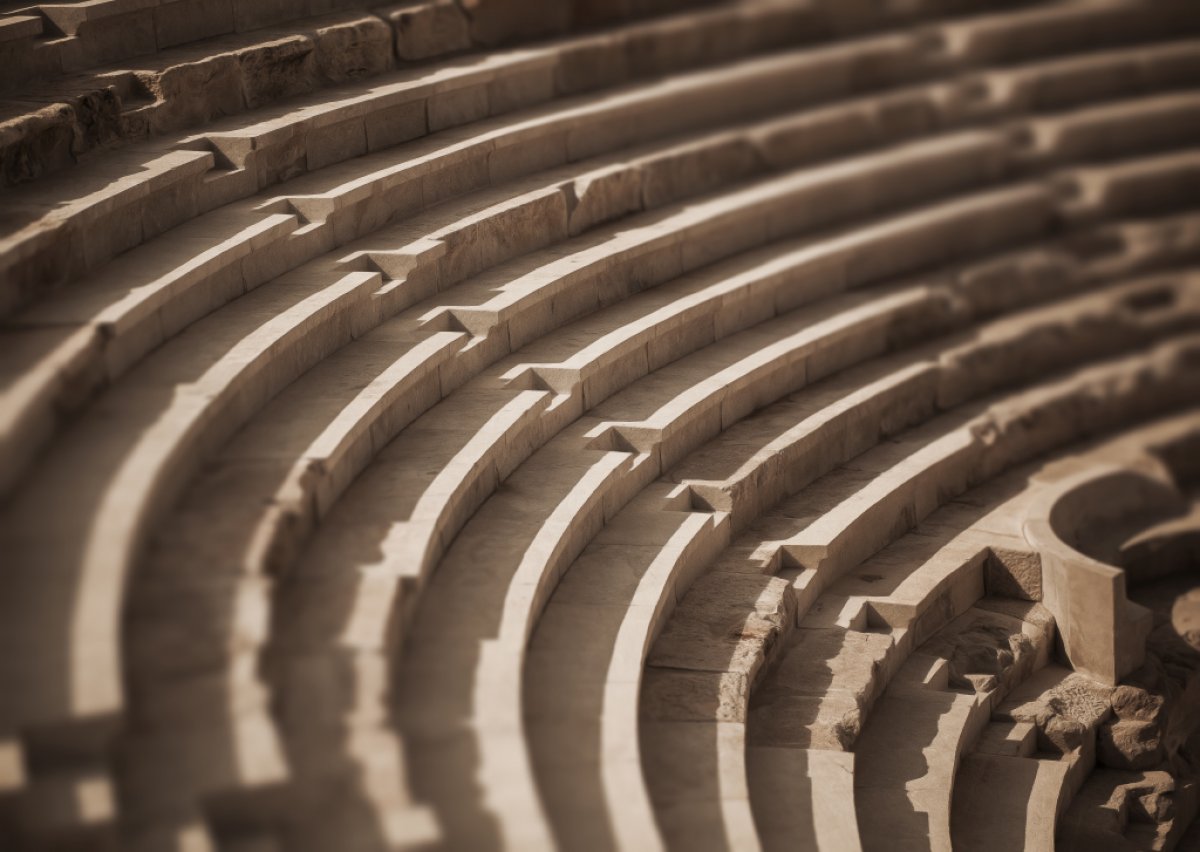
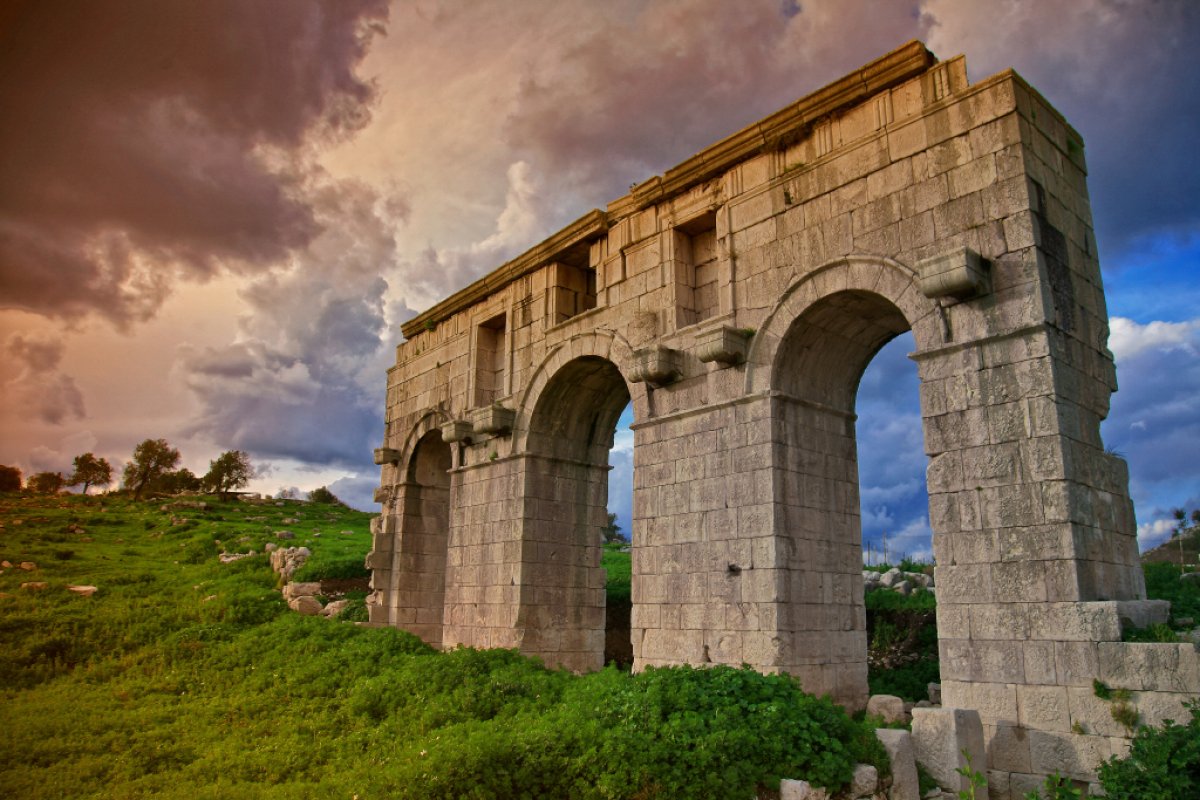
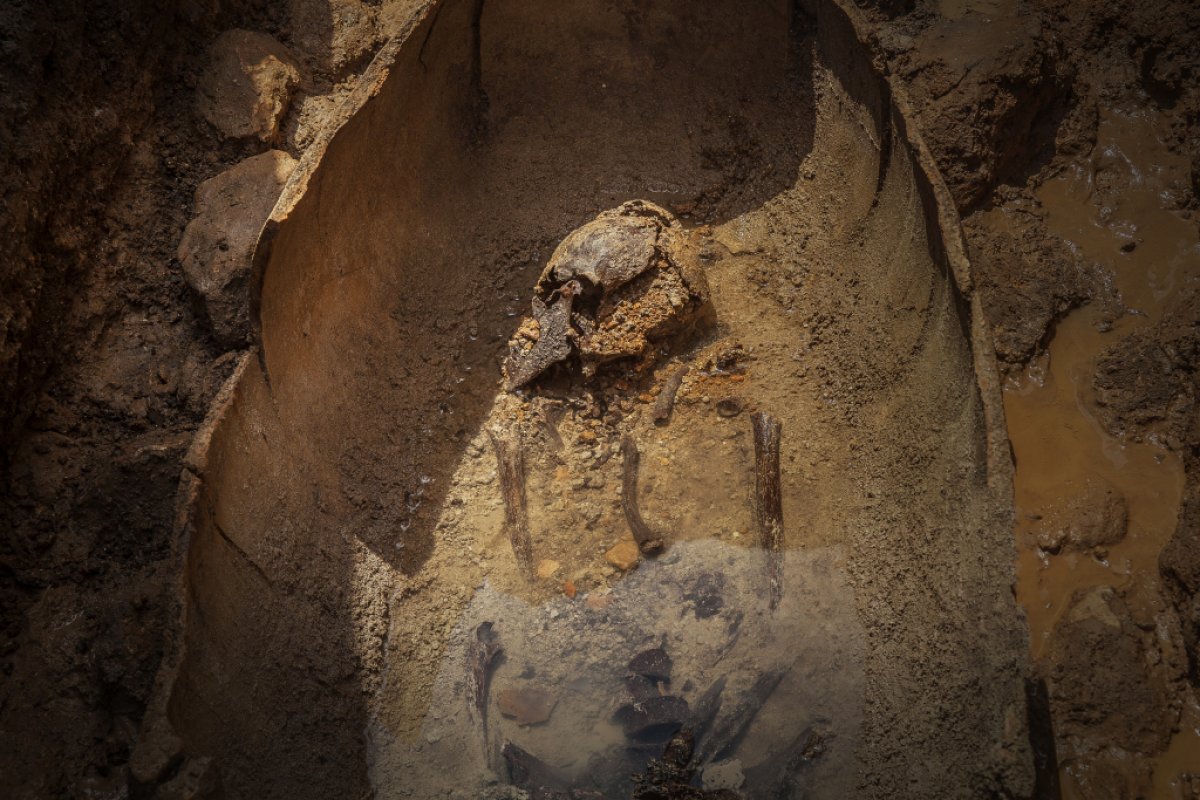
On-going archaeological digs continue to shed light on this fascinating culture. And discoveries made to date prove only to be the tip of the ice-berg. Legends of a lost Apollo temple and the like, still waiting to be unearthed, breathe mystery into the landscape.It's an exciting time to be in Patara; the birthplace of Apollo and St. Nicholas , Lycia's once great capital and wealthy trading port. Among its must-see sights and ruins today, is the Patara Amphitheatre, and the Arch of Triumph. And then there is the Necropolis, with its plethora of tombs, ranging from the rock cut variety to the monumental. The perfect fix for those ancient history buffs.
XANTHOS
This is not quite SPARTA! But we're not that far off either. Logistically and in essence. Namely, Sparta -or Isparta, as it's known today, is only about four hours away by coach. But why go there,when the epic battlesof Xanthos are just as heroic?
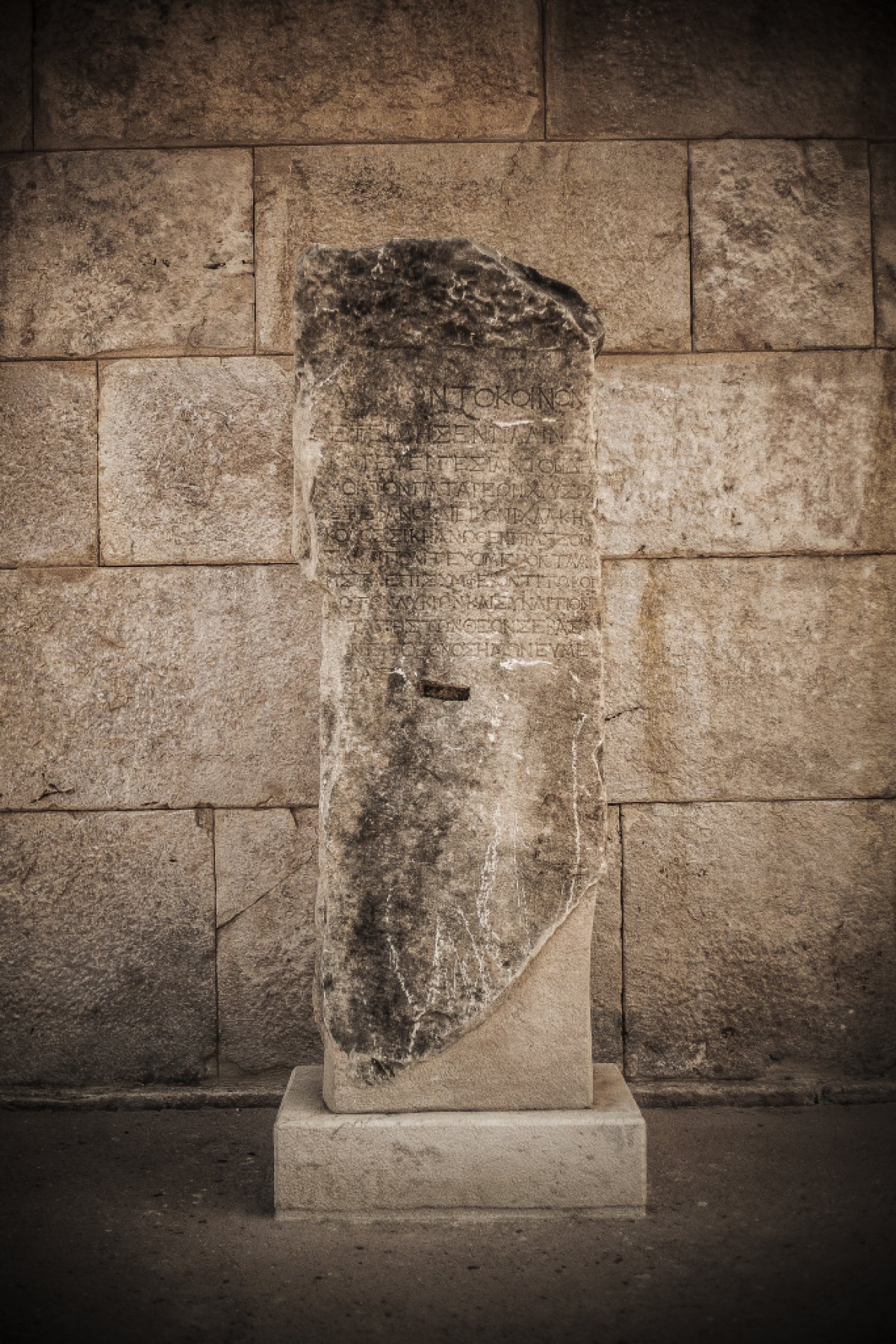
"We made our houses graves. And our graves are homes to us" goes the poem discovered on an ancient tablet at the Xanthos excavations. It drives home the valiant spirit of the Lycians of Xanthos, who were so fiercely independent they preferred death over slavery.
In 540BC, when Persian armies overran Asia Minor,Xanthian men marched for a battle to the death, while their women, children and slaves committed mass suicide by setting themselveson fire. History repeated itself in 42BC, when Brutus attacked the city in an attempt to recruit troops for the Roman Civil Wars. To his shock and horror, scores of Lycians were offing themselves passionately. So much so that he had to offer a reward to his own soldiers for every Lycian captured alive.
Today, Xanthos Valley speckled with poppies from early spring , retains a peaceful beauty that's that's a tad bitter-sweet for its tragic history. Also tragic, is how many of its ruins were plundered, in bygone days, by a certain British archaeologist, named Charles Fellows. He is the man responsible for why the spectacular Nereid Monument is standing in the British Museum today, and not at Xanthos. Luckily, Fellows couldn't run off with everything. Pillar tombs; acrolpoli; a necropolis; the agora; and even a Roman-Byzantine high street with its road and remnants of arcade shops still intact -there is still a great deal to be seen here.